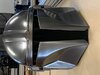
I have only printed his V1 helmet and I like it pretty well. I can see that he has definitely improved upon it with his V2 helmet. With his track record, i bet its even better.Wanted to see what everyone thought of his helmet files and print. A friend printed the helmet..and those ear caps and overall shape and visor width..seem pretty darn spot on.
Figured id see what everyone else thought!
where can one find his CAD files?
thanksSTL Files can be found here, 3D Printable Mandalorian Helmet - v2 by Rob Pauza
HOW did you get it so smooth my god. What filament are you using?This was the first part I printed and I think it is great and definitely looks the part
Dude awesome. I'm definitely going to try and follow your process. So:I was using some cheap PLA but have since gone back to using a better brand. That stuff was hard to sand and get a good finish so lots of body filler and primer. I actually had a terrible time with it but now have my process dialed in for easier finishing. I’ve since gone the route of epoxy coating most of my prints.
I cannot thank you enoughDry sand with 120 to knock off the high spots and create better adhesion for the epoxy
1st layer of epoxy, coating well but not too thick. It self levels and will pool up in areas if you apply too much.
leave overnight to cure and dry sand with 120 again, knocking off the high spots. Don’t worry if you sand through the epoxy a bit.
2nd layer of epoxy same as first, let cure and then start your sanding process. Depending on the model you may be able to just jump to 180 or at least just hit a couple areas with 120
1st primer coat to identify problem areas ( usually seams, my helmet was printed in 4 parts and joined) use body filler if needed and sand to 220. Repeat if necessary
clean with isopropyl and shoot a couple layers of you base coat. I went with a gun metal grey. Let cure and then shoot a couple of wet coats of clear. I have found the clear builds up nicely and self levels. Let cure for a few days and then you can wet sand with 600 followed by polishing and the final top coat of Alclad.
this sounds like a lot of work but in reality each step goes really quickly. I find myself spending far less time sanding and filling then I did in the past and post processing has become a smaller part of the job.
clean with isopropyl and shoot a couple layers of you base coat. I went with a gun metal grey. Let cure and then shoot a couple of wet coats of clear. I have found the clear builds up nicely and self levels. Let cure for a few days and then you can wet sand with 600 followed by polishing and the final top coat of Alclad.